
How Dart Shafts Affect Flight, Balance, and Accuracy
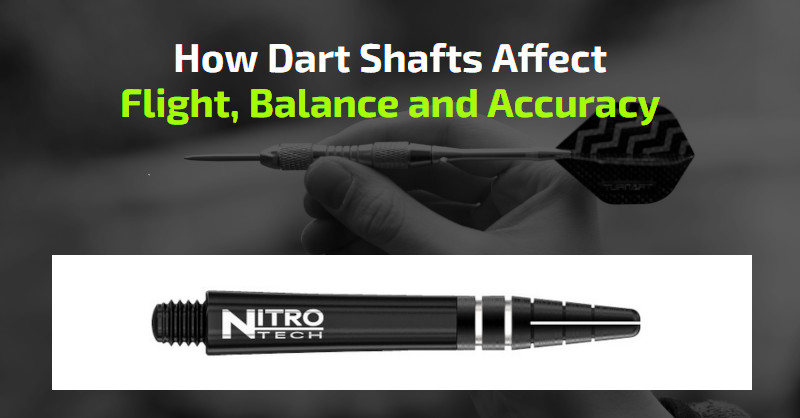
When players think about improving their darts setup, most focus on the barrel. But dart shafts (also called stems) play a crucial role in how a dart flies, balances, and ultimately lands in the board.
Choosing the right shaft length and construction can improve stability, grouping, and consistency, making shafts one of the easiest — and most overlooked — performance upgrades.
What Does a Dart Shaft Actually Do?
A dart shaft connects the barrel to the flight, determining:
- The centre of balance of the dart
- How the dart stabilises in flight
- The angle of entry into the board
Small changes in shaft length or material can noticeably affect how a dart behaves once released.
Shaft Length and Balance
Shafts are commonly available in short, medium, and long lengths. Each alters balance in a different way.
Short Shafts
- Shift weight forward toward the barrel
- Produce a faster, more direct flight
- Best for players with a firm, confident release
Medium Shafts (e.g. 36mm)
- Offer the most balanced, versatile setup
- Promote stable flight without slowing the dart
- Popular with a wide range of throwing styles
Long Shafts
- Move balance toward the rear
- Increase stability but slow the dart slightly
- Can help players who struggle with wobble
Medium-length shafts such as Nitro Tech 36mm shafts from Red Dragon are widely used because they suit most players and dart weights.
Shaft Material and Stability
The material of a shaft affects durability and feel.
- Standard nylon shafts – Lightweight but prone to splitting
- Reinforced or composite shafts – Improved strength and consistency
- Integrated systems – Flight and shaft moulded as one unit
Advanced composite shafts, such as Nitro Tech shafts, reduce flex and keep flights secure, helping maintain a consistent dart profile during play.
How Shafts Affect Accuracy
Accuracy is less about “aim” and more about repeatable flight. Correct shaft selection can:
- Reduce mid-air wobble
- Improve grouping by keeping darts on a consistent trajectory
- Encourage a clean, predictable release
If darts land at inconsistent angles or scatter across the board, adjusting shaft length is often more effective than changing barrels.
Integrated Flights & Shafts: A Modern Alternative
Integrated systems combine the shaft and flight into a single component, eliminating common issues such as:
- Flights popping out
- Loose connections
- Misaligned flight angles
Options like Nitro Flites from Red Dragon maintain perfect alignment on every throw, offering excellent consistency and reduced maintenance — particularly useful for league and practice play.
Matching Shafts to Dart Weight
As a general guide:
- Heavier darts (23g–24g) pair well with medium shafts for balance
- Lighter darts (21g–22g) may benefit from slightly longer shafts for added stability
There’s no universal rule — experimenting is key — but shaft choice should always complement dart weight rather than fight against it.
Common Mistakes with Dart Shafts
- Using shafts that are too short, causing nose-down entry
- Replacing barrels when the real issue is balance
- Ignoring shaft durability and constantly replacing broken stems
Often, a simple shaft change can solve accuracy issues without altering your entire setup.
Final Thoughts
Dart shafts have a direct impact on flight, balance, and accuracy, yet they’re one of the easiest components to adjust. Small changes in length or construction can lead to noticeable improvements in consistency and confidence at the oche. Whether you prefer traditional shafts or integrated systems, understanding how shafts influence dart behaviour allows you to fine-tune your setup for better results.